Monster Art Font for Web Design
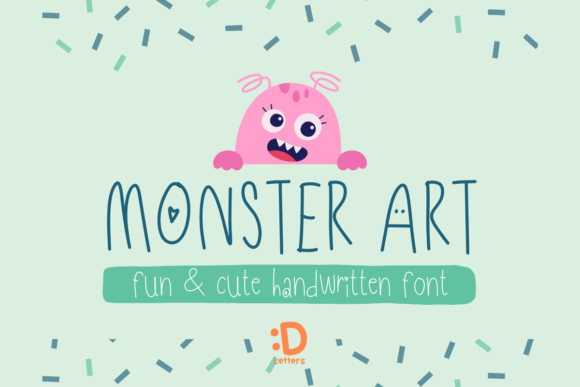
Monster Art is a fun, cute handwritten font that brings personality to digital design. Its playful style makes it ideal for web projects where creativity and character matter. As a script amp font, it offers a unique balance of expressiveness and readability, making it a valuable addition to any designer’s toolkit.
Web designers often look for fonts that can enhance visual storytelling without sacrificing clarity. Monster Art fits this need by offering a natural, organic feel that works well in headers, buttons, and decorative elements. Its soft curves and irregular strokes give it a handcrafted quality that stands out in modern layouts.
Monster Art in Digital Layouts
When used in website headers or hero sections, Monster Art adds a touch of whimsy that can help differentiate a brand. It’s particularly effective for creative portfolios, boutique online stores, and coaching websites where the tone needs to feel approachable and engaging. The font’s versatility allows it to work in both bold display settings and subtle accents.
In call-to-action areas, Monster Art can draw attention without overwhelming the user. Its legibility on small screens and mobile devices makes it suitable for button text, especially when paired with a clean sans serif for contrast. For example, a fitness coaching site might use Monster Art for a “Start Your Journey” CTA, paired with a simple body font for the supporting copy.
Brand Identity and Visual Hierarchy
Monster Art helps establish a distinct brand voice. Its handwritten style suggests creativity, authenticity, and a personal touch—qualities that resonate well with audiences looking for unique digital experiences. When used consistently across a website, it reinforces brand recognition and creates a cohesive visual identity.
For editorial designs, such as blog headers or course pages, Monster Art can set the tone without distracting from the content. It works best as a display font, used sparingly to highlight key phrases or section titles. Overuse can reduce its impact, so it’s important to maintain a clear visual hierarchy.
Readability and Responsive Design
On mobile screens, Monster Art remains readable at larger sizes, making it a good choice for banners and app interfaces. However, it’s less suited for long paragraphs due to its cursive nature. Designers should test it on different background colors, including dark and light themes, to ensure contrast and legibility.
When placed over images or textures, Monster Art benefits from a solid background or subtle overlay. This ensures the text remains visible and maintains its charm without competing with the design elements around it.
Font Pairing and Design Assets
Pairing Monster Art with a simple sans serif or serif font can create a balanced layout. A minimalist sans serif like Roboto or Lato works well for body text, while a serif font like Playfair Display can add elegance to a more traditional design. This combination allows the handwritten font to shine as a focal point without clashing with the rest of the typography.
Designers should check the available styles and file formats of Monster Art. If it includes multiple weights or alternates, these can be used to add depth to a layout. Multilingual support is also important for global audiences, ensuring the font works across different languages and scripts.
Commercial Use and Licensing
Monster Art is a commercial font, meaning it requires proper licensing for use on websites, client projects, and online stores. Designers should review the license terms to ensure compliance, especially when distributing templates or branding assets. For SaaS founders and digital product creators, using a licensed font protects both the designer and the end user.
When integrating Monster Art into a website, it’s essential to use a webfont format like WOFF or WOFF2 for optimal performance. This ensures fast loading times and cross-browser compatibility, which are critical for user experience and SEO.
Monster Art in Creative Projects
A digital product creator might use Monster Art for a course sales page, adding a friendly and inviting tone to headlines and feature lists. In a portfolio site, it can be used for project titles or taglines, giving each section a personalized feel. For social media graphics, the font’s playful nature enhances visual appeal without overpowering the message.
For packaging design or print materials, Monster Art’s handwritten style can add a custom touch. However, its effectiveness in print depends on the resolution and output method. Digital designers should consider how the font translates across different mediums when planning a brand’s visual identity.
Final Tips for Web Designers
Monster Art is best used for short phrases, logos, and decorative elements rather than extended text. Its strength lies in its ability to convey emotion and style, making it a powerful tool for creating memorable digital experiences. By pairing it with complementary fonts and applying it thoughtfully, designers can elevate their work while maintaining clarity and professionalism.
Whether designing a landing page, an online store, or a branded web application, Monster Art offers a fresh and expressive option for those looking to stand out in a competitive digital landscape.