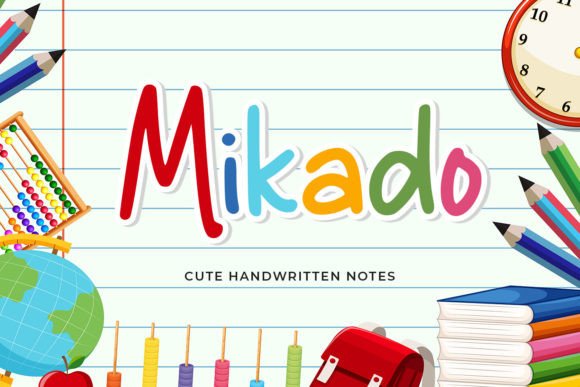
Mikado Font: Handwritten Style for Business
As a small business owner, I know how important it is to create a brand that feels consistent, professional, and approachable. That’s why I’ve been using Mikado, a playful handwritten note font that brings personality to every design. Whether you’re working on packaging, social media, or customer communications, Mikado adds a friendly touch that makes your brand stand out.
What Is Mikado and Why It Works for Business
Mikado is a script font with a casual, hand-drawn feel. It’s not too formal, but it still looks polished enough for professional use. The style is perfect for businesses that want to communicate warmth and creativity without being too rigid. Think of it as the digital version of a handwritten note—friendly, expressive, and easy to read in most situations.
This font fits well into the Script Amp collection, which offers a range of creative typefaces for branding and marketing. Mikado is especially useful when you need a font that can work both as a headline and a supporting typeface. Its natural flow makes it ideal for logos, banners, and even product labels where a bit of character is needed.
Real-World Applications for Mikado
One of the first places I used Mikado was on my business cards. It added a personal touch that made my brand feel more authentic. For a bakery, this font could be used on a logo or menu to give it a homey, artisanal vibe. For a handmade candle brand, Mikado could appear on labels to highlight the craft behind each product.
Another great use is on product packaging. Small businesses often rely on packaging to make a lasting impression, and Mikado can help. Whether it’s a coffee shop’s bag, a boutique’s gift box, or an online store’s label, Mikado adds a unique visual element that customers remember.
I also use it on social media posts. On Instagram or Pinterest, Mikado helps catch attention in a sea of content. It works well as a headline for posts, especially when paired with a clean sans serif font like Arial or Helvetica. This combination gives your visuals balance and clarity while keeping the design engaging.
When to Use Mikado: Headlines, Logos, and More
Mikado shines best as a display font. That means it’s ideal for headlines, logos, and other eye-catching elements. It’s not meant for long blocks of text, but when used in moderation, it adds a nice contrast to more traditional fonts.
For example, if you’re designing a website banner, Mikado can be used for the main title while a simple serif or sans serif font handles the body copy. This pairing keeps the design from looking cluttered while maintaining a cohesive look.
It’s also great for creating stickers, thank-you notes, or promotional flyers. These materials often need a friendly tone, and Mikado helps achieve that without being too informal.
Readability and Practical Considerations
While Mikado has a charming style, it’s important to consider readability. In smaller sizes, such as on product labels or mobile screens, the font may become harder to read. That’s why I recommend using it for short phrases or headings rather than long paragraphs.
Testing the font in different contexts is key. Try using it on a mock-up of your packaging or a sample social media post. See how it looks at different sizes and in various backgrounds. This will help you decide where it works best for your brand.
Pairing Mikado with Other Fonts
Font pairing is an essential part of good design. Mikado pairs well with clean, modern fonts that offer contrast. A common approach is to pair it with a sans serif font for a balanced look. This combination works well for websites, email newsletters, or printed materials where clarity is important.
If you’re going for a more classic feel, pairing Mikado with a serif font like Georgia or Times New Roman can add sophistication. This is great for businesses that want to blend tradition with a personal touch, such as a coaching service or a boutique bookstore.
Commercial Licensing and Font Usage
Before using Mikado across your entire brand, make sure you understand the commercial licensing terms. Most fonts come with specific rules about how they can be used, whether for print, web, or digital downloads. Always check the license to avoid any legal issues.
For example, if you plan to use Mikado on merchandise like t-shirts or tote bags, you’ll need to confirm that the license allows for that. Similarly, if you’re creating templates or selling digital downloads, the font must be properly licensed for those uses.
How Mikado Helps Build a Strong Brand Identity
Consistency is key in branding. Using a font like Mikado across multiple touchpoints helps create a unified look that customers recognize. Whether it’s on your website, social media, or product packaging, Mikado adds a cohesive thread that strengthens your brand identity.
Trust is another important factor. A well-designed brand feels more professional and reliable. Mikado helps achieve that by adding a human element to your designs. It shows that your business cares about the details and wants to connect with its audience on a personal level.
For small businesses, this kind of visual consistency can make a big difference. It helps you compete with larger brands by creating a memorable and trustworthy image that resonates with your target audience.