Cute Chocolate Font for Web Design
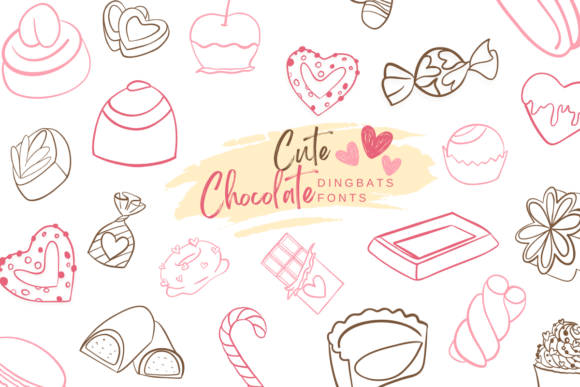
Cute Chocolate is a playful dingbat font that brings a whimsical touch to digital design. Its chocolate-themed glyphs, including bars, hearts, and candies, add a sweet visual element to web projects. As a typeface, it works best as a display font, offering a unique personality that stands out in headers, buttons, and decorative elements.
Web designers often seek fonts that enhance brand tone without overwhelming the layout. Cute Chocolate fits this need by introducing a friendly, approachable vibe. It’s ideal for creative portfolios, boutique online stores, and brand-focused websites where a touch of fun is essential. The font’s character set allows for expressive use in logos, call-to-action buttons, and social media graphics, making it a versatile addition to any design toolkit.
Using Cute Chocolate in Digital Layouts
When used in website headers or hero sections, Cute Chocolate can draw attention while maintaining a cohesive visual identity. Its playful nature makes it perfect for landing pages targeting younger audiences or brands with a soft, indulgent image. For example, a coaching website might use the font in section headings to create a warm, inviting feel.
In online store banners, Cute Chocolate adds a sense of delight that aligns with product themes. A chocolate shop or candy brand could use it in promotional text, product titles, or taglines to reinforce brand messaging. The font’s charm also works well in blog headers, course sales pages, and portfolio sites, where a personal, creative tone is beneficial.
Readability and Visual Hierarchy
While Cute Chocolate excels as a decorative element, it’s not suited for body text due to its intricate details. On mobile screens or small buttons, the font may lose clarity, making it less effective for long-form content. Instead, use it for short phrases, headlines, or accents that complement more readable fonts.
For optimal readability, pair Cute Chocolate with a simple sans serif or serif font. This combination creates a balanced visual hierarchy, allowing the decorative font to shine without disrupting the flow of information. On dark backgrounds, the font’s outlines remain visible, but on light backgrounds or image overlays, ensure sufficient contrast to maintain legibility.
Brand Identity and User Engagement
Cute Chocolate contributes to a brand’s visual identity by reinforcing its tone and message. A bakery, for instance, could use the font in logo text to evoke a sense of comfort and nostalgia. Similarly, a digital product aimed at creatives might incorporate the font in CTA buttons to encourage interaction and spark curiosity.
Its use in web design can influence user engagement by adding a layer of personality to the interface. When applied thoughtfully, the font enhances the emotional connection between the audience and the brand, making the experience more memorable. However, overuse can dilute its impact, so it’s best reserved for key design elements that benefit from a distinctive look.
Font Pairing and Design Assets
Pairing Cute Chocolate with a clean, modern typography ensures a polished aesthetic. A sans serif like Open Sans or a serif like Georgia provides a strong foundation, letting the decorative font stand out without clashing. For editorial designs or packaging concepts, combining it with a script or handwritten font can add a custom, artisanal feel.
When integrating Cute Chocolate into a digital project, check for available styles, file formats, and webfont support. Ensure the font includes alternates and weights that allow flexibility in different design contexts. Multilingual support is also important if the website serves an international audience.
Commercial Licensing and Practical Use
For web designers and digital creators, commercial font licensing is a critical consideration. Cute Chocolate should be licensed appropriately for use on websites, client projects, online stores, and brand assets. Always verify the license terms to avoid legal issues and ensure compliance with font usage policies.
As a premium font, Cute Chocolate offers value beyond its visual appeal. Its unique character set and playful style make it a standout choice for designers looking to add a special touch to their work. Whether used in a creative portfolio, a boutique e-commerce site, or a branded marketing campaign, it brings a sense of joy and creativity to the digital experience.
By understanding how to balance its decorative nature with practical design needs, web designers can leverage Cute Chocolate to enhance brand identity, improve user engagement, and create visually compelling layouts that resonate with their target audience.